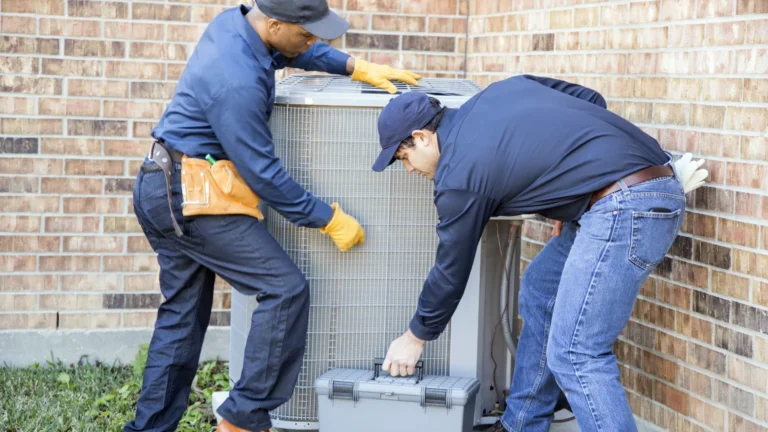

Understanding When Your Heat Pump Needs Replacement in Tempe
Heat pumps in Tempe face unique challenges that can significantly impact their lifespan and efficiency. The intense Arizona sun, combined with temperatures that regularly exceed 110°F during summer months, places extraordinary stress on these systems. While heat pumps typically last between 10 to 15 years in moderate climates, the extreme conditions in the Phoenix Metro area often reduce this lifespan. We frequently encounter units showing signs of significant wear after just 8 to 10 years of continuous operation in our desert environment.
Several key indicators suggest your heat pump may need replacement rather than repair. If your system requires frequent repairs, especially if repair costs exceed 50% of replacement value, investing in a new unit becomes the more economical choice. Rising energy bills despite regular maintenance often indicate declining efficiency, as older heat pumps can lose up to 40% of their original efficiency over time. Additionally, if your heat pump struggles to maintain consistent temperatures throughout your home or produces unusual noises like grinding, squealing, or banging, these symptoms typically signal major component failure that warrants complete system replacement.
Modern Heat Pump Technology and Efficiency Advantages
Today’s heat pump technology offers remarkable improvements over systems manufactured even five years ago. Variable-speed compressors now adjust output based on actual heating and cooling demands, eliminating the energy-wasting on-off cycling of older single-stage units. These advanced systems can modulate capacity from 25% to 100%, maintaining precise temperature control while reducing energy consumption by up to 30%. The latest refrigerants, including R-410A and newer R-32 options, provide superior heat transfer capabilities while meeting environmental regulations that phase out older, ozone-depleting substances.
SEER2 ratings for new heat pumps now commonly reach 18 to 20, with some premium models achieving ratings above 24. This represents a substantial improvement from the minimum 13 SEER standards of older units. For Tempe homeowners, this efficiency gain translates directly into lower monthly utility bills. A household replacing a 10-year-old 13 SEER heat pump with a modern 18 SEER2 unit typically sees cooling cost reductions of 30% to 40%. During our mild winter months, the heating efficiency improvements are equally impressive, with HSPF2 ratings now exceeding 10 in many models.
Professional Heat Pump Installation Process
Proper heat pump installation requires precise calculations and careful attention to detail. We begin every installation with a comprehensive load calculation that considers your home’s square footage, insulation levels, window efficiency, and orientation relative to the sun. This Manual J calculation ensures your new heat pump is properly sized, as undersized units struggle to maintain comfort while oversized systems cycle too frequently, reducing efficiency and comfort while increasing wear.
The physical installation process involves several critical steps that directly impact system performance and longevity. We carefully remove the existing equipment while protecting your property and landscaping. The new outdoor unit placement considers factors like:
- Adequate clearance for proper airflow and service access
- Level installation on a properly prepared pad to prevent vibration and ensure proper oil return
- Strategic positioning to minimize sun exposure while maintaining accessibility
Indoor components require equally meticulous attention, including proper refrigerant line sizing, electrical connections meeting current codes, and integration with existing ductwork. Since 2012, Just Better Air Conditioning & Heating LLC has refined these installation procedures to ensure optimal performance in our challenging desert climate.
Selecting the Right Heat Pump for Tempe Homes
Choosing the appropriate heat pump for your specific needs involves evaluating multiple factors beyond simple capacity ratings. Desert-rated equipment features enhanced components designed to withstand extreme temperatures and dust exposure. These units incorporate larger condenser coils, heavy-duty fan motors, and specialized coatings that resist corrosion from our alkaline soil conditions. We recommend systems with communicating technology that allows components to work together more efficiently, adjusting operation based on real-time conditions.
Smart thermostats and zoning capabilities maximize both comfort and efficiency in Tempe’s climate. These features allow different areas of your home to maintain independent temperatures, particularly valuable for two-story homes where upper floors naturally accumulate more heat. Integration with humidity control becomes especially important during our brief but intense monsoon season. At Just Better Air Conditioning & Heating LLC, we help customers navigate these options, ensuring their investment delivers superior service at reasonable prices while addressing the specific challenges of Phoenix Metro area weather patterns. Our experience serving local residents since our formation has taught us that successful heat pump replacement requires understanding both advanced technology and local environmental factors.